

Introduction
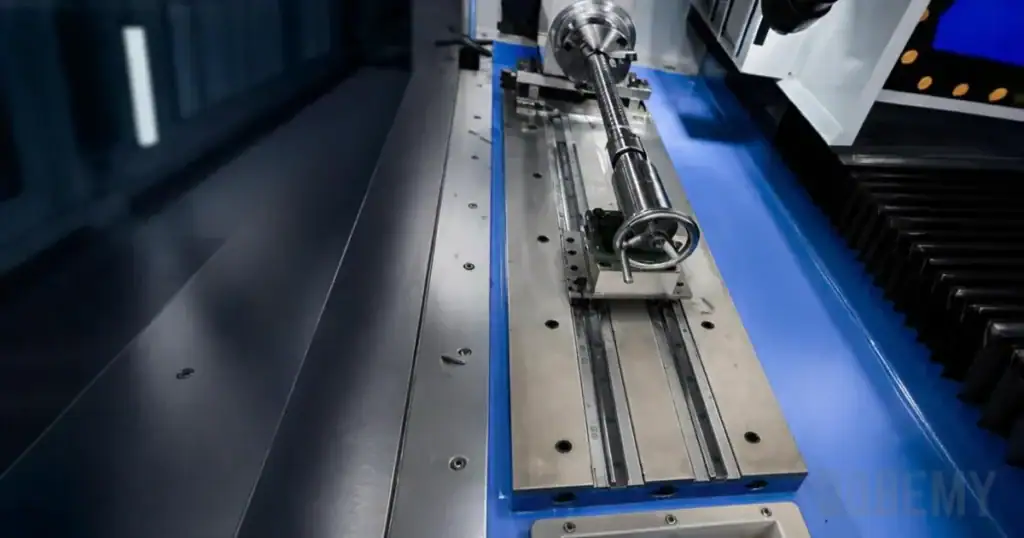
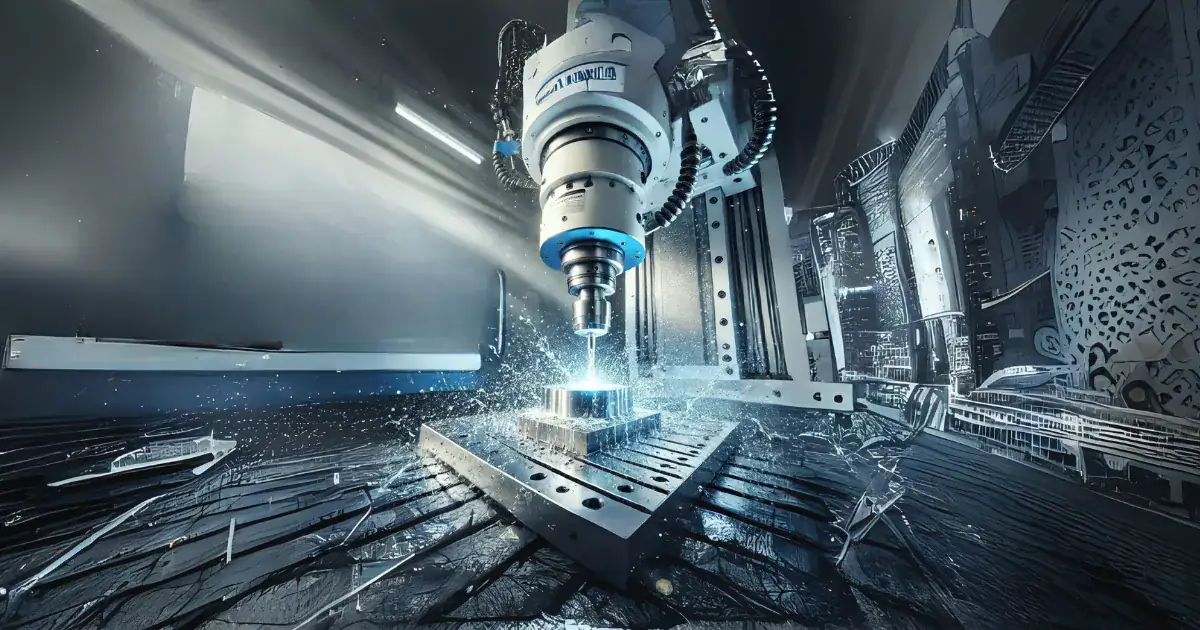
Manufacturing has changed drastically with CNC (Computer Numerical Control) machines. These machines use computer programs to cut, drill, and shape materials with extreme accuracy. They work faster and more precisely than manual machines.
CNC technology is used in cars, airplanes, medical devices, and furniture production. It helps create high-quality, precise parts with less waste. This guide explains how CNC machines work, their benefits, and their role in modern manufacturing.
1. Understanding CNC Machines
A CNC machine is a tool that follows computer instructions to shape materials. Unlike manual machines, CNC machines work automatically. This makes them faster, more accurate, and consistent.
CNC machines are incredibly versatile and can process a wide range of materials, including:
- Metals (e.g., aluminum, steel, brass, titanium) – commonly used in aerospace, automotive, and industrial applications.
- Plastics (e.g., acrylic, ABS, polycarbonate) – ideal for prototyping, medical devices, and consumer electronics.
- Wood (e.g., hardwoods, plywood, MDF) – widely used in furniture making and custom design projects.
These machines are capable of performing multiple functions, making them essential across various industries. Some of the most common operations include:
- Drilling – Creating precise holes in materials for assembly or fastening.
- Milling – Cutting and shaping materials using rotary cutters to achieve complex geometries.
- Lathing – Rotating a workpiece against a cutting tool to produce symmetrical components, often used for cylindrical parts.
- Engraving – Etching detailed designs or markings onto surfaces for branding, personalization, or functional labeling.
By automating these processes, CNC machines provide unparalleled speed, accuracy, and efficiency, revolutionizing modern manufacturing.
1.2 Importance of CNC Machines in Manufacturing
CNC machines have become the backbone of modern manufacturing, offering unmatched precision, efficiency, and repeatability. In industries where accuracy is critical—such as aerospace, automotive, and medical device production—CNC technology ensures that components meet strict tolerances down to fractions of a millimeter. This level of precision is nearly impossible to achieve consistently with manual machining.
Traditional machining relies heavily on human expertise, making it time-consuming and prone to inconsistencies. CNC machines, on the other hand, streamline production, reduce waste, and enhance quality control, making them indispensable in high-tech industries.This makes them essential in manufacturing.
2. How Does a CNC Machine Work?
2.1 Key Components of a CNC Machine
CNC machines follow a digital design to perform precise cutting and shaping tasks.
- Input Device – CNC machines receive instructions through an input device, such as a USB drive, network connection, or direct input via a computer. The programming language, typically G-code, contains specific commands that dictate the machine’s movements, cutting speeds, and tool changes.
- Machine Control Unit (MCU) – Often referred to as the brain of the CNC machine, the MCU processes the G-code and translates it into precise electrical signals that control machine movement. This unit ensures seamless communication between software instructions and hardware execution, regulating operations in real-time.
- Machine Tools – The cutting tools—such as drills, mills, lathes, and engravers—are responsible for shaping, cutting, and finishing the material. These tools are automatically switched based on the program’s instructions, allowing for multifunctional machining in a single operation.
- Driving System – The CNC machine’s motors, circuits, and ball screws work together to control movement along multiple axes (X, Y, and Z). The servo and stepper motors ensure precise and controlled movements, dictating the speed, force, and direction of machining operations.
- Feedback System – To maintain high precision, CNC machines rely on sensors and encoders that continuously monitor movement, positioning, and tool alignment. If deviations occur, the system automatically adjusts, ensuring accuracy down to microns.
- Display Unit – Operators interact with the CNC machine through a display screen, which provides real-time data on machining progress, tool positioning, and error alerts. This interface allows machinists to monitor operations, adjust parameters, and troubleshoot issues without interrupting the workflow.
By seamlessly integrating these components, CNC machines transform raw materials into intricate, high-precision parts with minimal human intervention, redefining modern manufacturing.
2.2 The CNC Machining Process: Step-by-Step
This step-by-step workflow ensures accuracy, efficiency, and repeatability in production.
Stage 1: Creating the CAD Model – Designing the Part
The process begins with a Computer-Aided Design (CAD) model, where engineers or designers create a 3D blueprint of the part using software like AutoCAD, SolidWorks, or Fusion 360. This digital model defines every dimension, feature, and tolerance required for manufacturing.
Stage 2: Converting CAD Model to CNC File – Generating G-code
Once the CAD design is finalized, it is converted into a format that the CNC machine can interpret. This involves:
- CAM (Computer-Aided Manufacturing) Software – Programs like Mastercam or Fusion 360 generate tool paths and translate the CAD file into G-code.
- G-code – A programming language that instructs the CNC machine on movement, speed, depth of cut, and tool changes.
Stage 3: Configuring the CNC Machine – Setting Up the Machine
Before machining begins, operators must prepare the CNC machine by:
- Selecting and installing the correct cutting tools (drills, mills, lathes, etc.).
- Securing the raw material (metal, plastic, wood) onto the worktable using clamps or a vise.
- Calibrating the machine’s zero point to ensure accurate cutting positions.
Stage 4: Machining Operation Execution – Running the Program
With the setup complete, the CNC machine executes the G-code to begin the machining process. This involves:
- The machine automatically moving along multiple axes to cut, drill, mill, or engrave the material.
- Continuous monitoring via sensors and feedback systems to maintain precision.
- The operator supervising the process, making adjustments if needed.
Once the program completes its cycle, the finished part is inspected for accuracy and quality, ensuring it meets the required specifications. This automated process minimizes errors, speeds up production, and ensures high-quality results, making CNC machining a staple in modern manufacturing.
3. How to Set Up and Operate a CNC Machine
Operating a CNC machine involves a systematic setup process to ensure smooth, accurate, and safe machining. Below is a step-by-step guide to setting up and running a CNC machine efficiently.
1. Pre-Start Checks – Ensuring Readiness
Before powering on the machine, operators must:
✅ Check oil levels for lubrication.
✅ Ensure the coolant supply is sufficient to prevent overheating.
✅ Verify compressed air supply for tool changes and chip removal.
2. Machine Start & Homing – Powering On & Referencing
🔹 Turn on the CNC machine and its control unit.
🔹 Perform a homing operation, where the machine moves to a predefined reference position to calibrate its starting point.
3. Loading Tools – Preparing the Tool Carousel
🔧 Select the necessary cutting tools (drills, mills, lathes, etc.).
🔧 Load them into the automatic tool changer (ATC) or manually secure them in the spindle.
🔧 Ensure tool offsets are measured to maintain precision.
4. Mounting the Workpiece – Securing the Material
🛠️ Fix the raw material onto the machine bed, vise, or fixture.
🛠️ Double-check alignment and tightness to prevent movement during cutting.
5. Setting Offsets – Adjusting Tool Length & Part Position
📏 Measure and set:
- Tool length offsets – Ensuring correct depth of cut.
- Workpiece offsets – Defining the starting point for machining (usually using a probe or edge finder).
6. Loading the CNC Program – Inputting & Verifying G-code
💾 Import the G-code into the machine via USB, network, or manual input.
✅ Review the program for errors or missing commands before execution.
7. Dry Run Execution – Testing for Errors
🚨 Run the program in dry run mode (without cutting material).
👀 Watch for unexpected movements, clearance issues, or toolpath errors.
8. Running the Program – Executing Machining Operations
⚙️ Once verified, start the machining operation.
⚡ The CNC machine will automatically follow the pre-programmed toolpath to cut, drill, mill, or engrave the material.
9. Final Adjustments – Ensuring Precision
🔍 Inspect the first part for dimensional accuracy using calipers, micrometers, or CMMs.
🔄 Make necessary offset adjustments to fine-tune the process.
10. Shutting Down & Cleaning – Safely Concluding the Process
🛑 Turn off the spindle and coolant systems.
🛑 Move the machine to a safe position and power it down.
🧹 Clean the work area, remove chips, and store tools properly.
Following these steps ensures safe and efficient CNC operations.
4. Applications and Benefits of CNC Machining
CNC machining is a cornerstone of modern manufacturing, offering precision, automation, and efficiency across multiple industries. While its benefits are extensive, certain challenges also come with its implementation.
4.1 Industries That Use CNC Machines
CNC machines are integral to various industries that demand high precision, consistency, and scalability. Key sectors include:
✈️ Aerospace – Used for crafting engine components, turbine blades, and structural parts that require extreme precision and durability.
🚗 Automotive – Essential for manufacturing engine blocks, gears, axles, and intricate interior parts with high repeatability.
🏥 Medical – Enables the production of surgical instruments, implants, prosthetics, and custom medical devices with micro-level precision.
📡 Electronics – Critical in fabricating PCB boards, enclosures, and intricate metal/plastic parts for high-tech applications.
🛠️ Industrial & Heavy Machinery – Supports the mass production of machine components, hydraulic parts, and assembly-line tools.
🎨 Furniture & Design – CNC routers create custom furniture, signage, and artistic engravings in wood, acrylic, and metal.
4.2 Advantages of CNC Machines
CNC technology offers significant benefits over traditional machining methods, making it a preferred choice for modern manufacturers.
✅ Precision & Consistency – CNC machines achieve micron-level accuracy, eliminating human error and ensuring identical parts in large batches.
⚡ Efficiency & Reduced Waste – Automated processes minimize material waste, optimize tool usage, and speed up production.
🤖 Automation & Reduced Labor Costs – Once programmed, CNC machines run with minimal supervision, reducing dependence on skilled labor and increasing output.
📈 Scalability in Manufacturing – Whether for one-off prototypes or mass production, CNC machining maintains high quality at every scale.
4.3 Challenges and Limitations
Despite its advantages, CNC machining comes with certain challenges that manufacturers must consider.
💰 High Initial Costs – The purchase, installation, and programming of CNC machines require significant investment upfront.
🛠️ Need for Skilled Operators – While CNC machines reduce manual labor, programming and maintenance require trained professionals.
🔧 Regular Maintenance Requirements – Continuous operation demands lubrication, tool calibration, and part replacements to maintain efficiency.
While these challenges exist, the long-term benefits of CNC machining far outweigh its limitations, making it an indispensable tool in precision manufacturing.
5. Conclusion
CNC machines have revolutionized modern manufacturing, offering unmatched precision, efficiency, and automation. Their ability to produce complex parts with high consistency and minimal waste has made them indispensable across industries such as aerospace, automotive, medical, and electronics.
Beyond just improving production speed, CNC machining has reshaped industrial workflows, reducing reliance on manual labor while enhancing scalability and quality control. As technology advances, we can expect even greater integration of AI, IoT, and smart automation, making CNC machines more autonomous, adaptive, and efficient.
Looking ahead, CNC machining will continue to be a driving force in industrial automation, bridging the gap between traditional craftsmanship and cutting-edge manufacturing solutions. As industries push toward higher precision, sustainability, and cost-effectiveness, CNC technology will remain at the forefront of innovation.